
Product Categories
Ball Bearings — Types, Applications & Selection Guide
Ball bearings are essential components in industrial machinery, electric motors, pumps, automotive systems, and many other mechanical applications. Designed to reduce friction and support smooth rotation, they are available in different structures and specifications to meet various load, speed, and operating requirements.
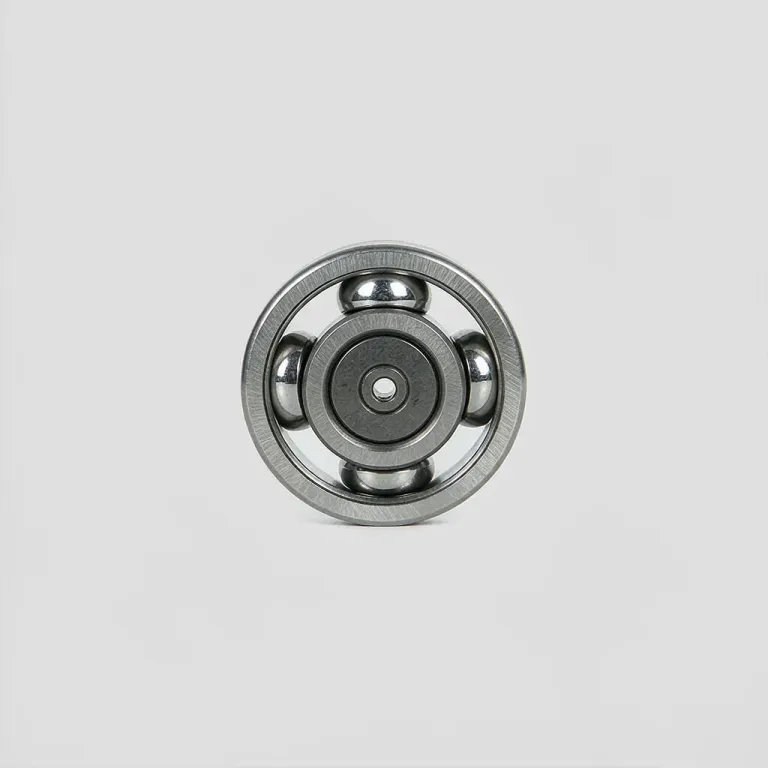
Browse Subcategories
We offer a range of ball bearings for industrial equipment manufacturers, distributors, maintenance suppliers, and OEM applications. Explore our product categories to find suitable bearing solutions based on your equipment requirements and technical specifications.
Types of Ball Bearings
Different ball bearing designs are suited to different operating conditions. Our product range covers several common types of ball bearings for industrial and mechanical applications.
Deep Groove Ball Bearings
Deep groove ball bearings are widely used in electric motors, pumps, fans, conveyors, and general machinery. They support radial loads and moderate axial loads while offering low friction and reliable operation.
Angular Contact Ball Bearings
Angular contact ball bearings are designed to accommodate combined radial and axial loads. They are commonly used in machine tools, pumps, compressors, and other applications requiring high rotational accuracy.
Self-Aligning Ball Bearings
Self-aligning ball bearings feature a design that accommodates limited angular misalignment between the shaft and housing. They are suitable for applications where shaft deflection or mounting misalignment may occur.
Thrust Ball Bearings
Thrust ball bearings are designed primarily to support axial loads. They are used in machinery and equipment where loads act parallel to the shaft axis.
Ball Bearing Applications
Ball bearings are used across a wide range of industries due to their versatility and efficient rotational performance. Common applications include:
- Industrial machinery and mechanical equipment
- Electric motors, pumps, and fans
- Automotive and transportation systems
- Agricultural machinery
- Conveyors and material handling equipment
- General engineering and power transmission systems
How to Choose the Right Ball Bearing
Selecting the right ball bearing depends on several factors, including bearing dimensions, load direction, rotational speed, operating temperature, lubrication, sealing requirements, and installation conditions. Shaft and housing dimensions, required precision, and expected service life should also be considered.
When selecting a replacement bearing or sourcing bearings for OEM equipment, providing the bearing model, dimensions, drawings, or application details can help identify suitable options.
Ball Bearing Supply for OEM and Industrial Applications
We support B2B customers seeking ball bearings for equipment manufacturing, maintenance, distribution, and replacement applications. Product selection can be based on required dimensions, technical specifications, and operating conditions.
Contact us with your bearing model, drawings, or requirements to discuss product availability, suitable specifications, pricing, and delivery options.
Frequently Asked Questions
What is the difference between ZZ and 2RS seals on ball bearings?
ZZ indicates two metal shields that protect the bearing from dust and retain lubricant, while 2RS indicates two rubber contact seals that offer stronger protection against moisture and contamination. For dusty or wet environments, sealed (2RS) bearings are generally recommended.
What precision grades do your ball bearings support?
We supply ball bearings in common precision grades from P0 to P6, with higher precision options such as P5 available on request for applications requiring tighter tolerances and higher rotational accuracy. Please specify your precision requirement when inquiring.
Can you provide ball bearings for OEM or replacement use?
Yes. We support both OEM equipment manufacturers and buyers sourcing replacement bearings. Provide the bearing model, dimensions, or drawings, and we can match suitable specifications from our range or evaluate a customized solution.
What is your minimum order quantity for ball bearings?
Minimum order quantity depends on the bearing type and whether it is a standard or customized product. Standard ball bearings can typically be ordered in smaller quantities, while customized specifications may require a higher MOQ. Contact us for exact terms.
Request a Quote
Share your bearing model or size, quantity, and delivery requirements. Our team typically responds within one business day.